 Finishing treatment is a major milestone in recovery, but it brings new challenges. Leaving a structured environment involves significant uncertainty, as the facility may not prepare you for the triggers common in real life.
As you begin adjusting to this next phase, transitioning out of treatment can help sustain your stability and sobriety as you prepare to leave. A transitional living program helps this process by moving you from a highly structured setting toward greater independence at a steady pace.
If you are in Pasadena and seeking continued support close to home, this guide can help you understand your options.
What Is Transitional Housing?
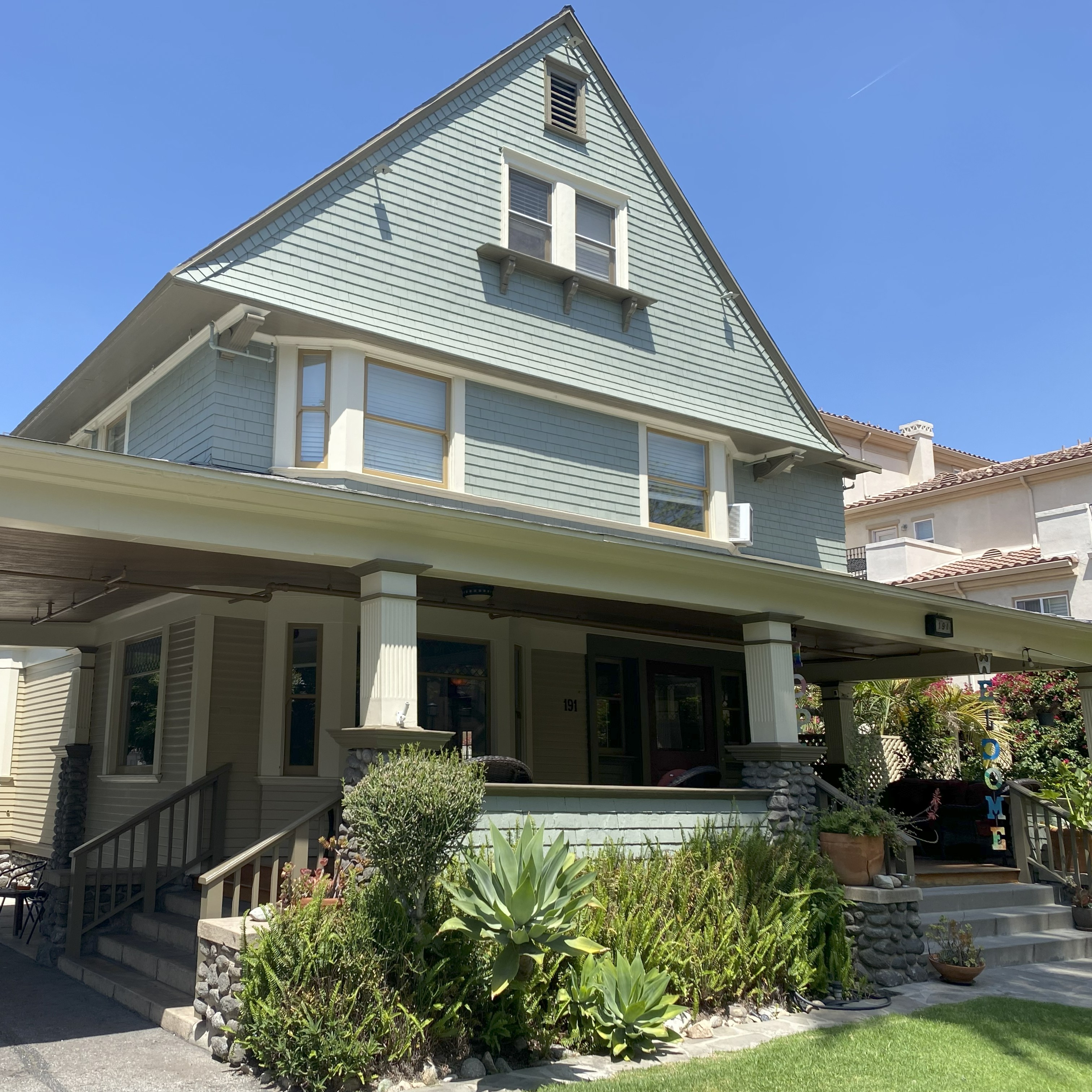
Transitional housing is a supportive living environment designed for individuals in recovery who are stepping down from residential treatment or looking for added stability. It offers a steady, recovery-focused setting as you begin adjusting to daily life outside of a program.
It is not a hospital or inpatient facility, but it is not fully independent housing where residents are left without guidance. It provides a more balanced setting where you have access to help when you need it, while also taking personal responsibility for your daily living.
With this, transitional housing can help reduce the risk of relapse during a vulnerable stage of recovery.
How a Transitional Living Program Supports Long-Term Recovery
A transitional living center does more than provide a stable place to live. It helps you start putting what you learned in treatment into practice, with the right level of support still in place.
Here are four primary ways it assists long-term recovery:
Establishing Daily Structure and Accountability
Most programs have set routines, such as curfews and house expectations, along with regular check-ins. This helps you rebuild discipline and establish consistency in your daily life.
Maintaining Connection to Ongoing Care
You remain connected to outpatient services, therapy, or support groups. This continued access reinforces both clinical guidance and emotional support as you move forward.
Ensuring a Gradual Return to Responsibilities
Transitional living encourages you to take on responsibilities gradually. This may include finding work, returning to school, or volunteering, all while maintaining access to facilities when you need them.
Reinforcing Healthy Habits in Daily Life
Apply the coping strategies that you learned during treatment to real-world situations during transitional living center recovery. This also helps you begin developing routines that foster long-term sobriety and mental health.
What To Expect in a Transitional Living Center
While every transitional living center is different, most follow a similar structure designed to assist recovery and stability. These environments are meant to help you stay accountable as you adjust to everyday life with greater independence.
Facilities often include:
- Shared Living Environment: Live alongside others in recovery. This creates a setting where peer support and accountability become part of your daily routine.
- Clear House Rules: There are established guidelines, including visitor policies and sobriety requirements, to help maintain a safe and consistent environment.
- Regular Drug and Alcohol Testing: Testing may be part of the program to reinforce accountability and help you stay committed to recovery.
- Participation in Recovery Activities: You are expected to attend meetings or group sessions to keep you actively engaged in your recovery.
- Household Responsibilities: Shared chores and responsibilities are part of daily life.
Finding the Right Fit: What To Look For in a Transitional Living Center
Not every facility is the same, and finding the right fit can make a meaningful difference in your recovery experience.
As you look for a transitional living center in Pasadena, it helps to focus on specific qualities that ensure both stability and long-term progress.
Licensed and Accredited Providers
Look for programs connected to licensed and accredited treatment providers. Licensing and accreditation reflect adherence to established clinical and safety standards. This can give you confidence that the program follows structured, accountable care practices.
Alumni/Community Support
A strong recovery environment often includes an active alumni network or peer mentorship. Ongoing connection to others who understand the recovery process can provide encouragement and accountability beyond your immediate living environment.
Family-Inclusive Care
Some programs involve family through education, counseling, or group sessions. A family-inclusive program can help rebuild trust and improve communication, creating a stronger support system as you move forward.
Continuum of Care
Choose a program that offers multiple levels of care, including residential, outpatient, and transitional guidance. This allows you to move through recovery without disruption if your needs change.
Long-Term Aftercare
Access to continued support after completing a program can help you maintain stability. Ongoing guidance can help you navigate challenges that come up after care ends.
Accessibility
Some programs work with insurance or offer manageable costs, making care more attainable. Choosing an option that fits your financial situation can reduce stress and help you stay focused on recovery without worrying about long-term affordability.
A Home-Like, Community-Based Environment
A community-based setting can make the transition into daily life feel more manageable. Being in an understanding environment with others in recovery encourages stability and a sense of belonging as you continue building healthier routines.
How the Gooden Center Helps You Transition From Program to Daily Life
Moving from a structured program into daily life can feel like a major shift, especially as you begin taking on more independence.
The Gooden Center is a nonprofit treatment provider that has helped individuals in recovery for decades. We are built around the idea that recovery continues beyond treatment, not apart from it. Our role is to help you carry what you’ve built in treatment into a sustainable routine needed to move forward.
- Care Across Every Stage: We provide a full continuum of care, including residential treatment, outpatient services, and transitional support. Our programs also integrate mental health and substance use treatment, allowing us to address the full scope of your needs as you progress through recovery.
- Support That Continues Beyond Your Treatment: Your connection to care does not end when a program does. We offer long-term aftercare, giving you continued access to support as you navigate new challenges and maintain stability over time.
- A Community That Stays Involved: Our alumni community remains active in meetings and mentorship. This ongoing involvement creates opportunities for shared experience, accountability, and continued encouragement throughout your recovery.
- Real-Life and Family Integration: We include family involvement through education and encouragement. Our goal is to help you strengthen relationships while building a stable, recovery-focused life outside of treatment.
Carry Your Recovery Into Daily Life With the Gooden Center
Recovery does not end when treatment does, and the environment you move into next can shape how you continue forward. A transitional living center in Pasadena can help you carry the progress you’ve made into daily life.
If you are feeling uncertain about what comes next, know that there are options that can meet you where you are.
At The Gooden Center, we are here to help you take the next step. If you are ready to talk, don’t hesitate to get in touch with our team. We’re ready to listen and offer guidance at no cost.
If you feel called to give back, we invite you to make a donation to The Gooden Center. Your support helps open the door to recovery for individuals and families who need it most.