Transitional Living Center in Pasadena
Our Transitional Living Program provides a stable, structured step between residential treatment and independent living, helping men rebuild confidence and reengage with day-to-day life, one practical step at a time.
The Last Step From Treatment to Independence at Our Pasadena Care Center
Undergoing recovery from substance abuse can be a long and challenging process for many. If you were in recovery at our residential treatment facilities, you might not want to jump back into everyday life. A gradual transition from a structured treatment setting back to the real world can make all the difference with lasting sobriety, especially with the right support.
At The Gooden Center, we understand that recovery doesn’t end when formal treatment does. Our transitional care center balances the guidance and support our Pasadena care center provides while also giving you the space to prepare you for independent living.
Our non-profit care center ensures a stable, gradual transition from our rehabilitation center in Pasadena to the rest of your life. Ease back into work, school, and other personal relationships while adjusting to your new lifestyle.
What’s Included in Our Transition Care Center?
Transitioning into independent living is easier when you have consistent support. Our program provides the essentials clients need to feel safe and prepared for long-term success outside our facility:
- 24/7 Staff Support: Our homes are staffed around the clock to ensure safety, accountability, and encouragement whenever clients need it.
- Nutritious Meals and Healthy Routines: Residents receive balanced, home-style meals along with light cooking support to promote wellness and daily stability.
- Medication and Care Coordination: We provide secure medication storage, reminders, and communication with healthcare providers to keep treatment plans on track.
- Skill-Building Activities and Community Outings: Daily group outings and structured activities help clients build social skills, enjoy sober fun, and feel connected to the community.
- Case Management and Life Skills Training: Clients receive goal-setting support, progress tracking, and real-world life skills training to prepare for independence and ongoing recovery.
Housing and Environment
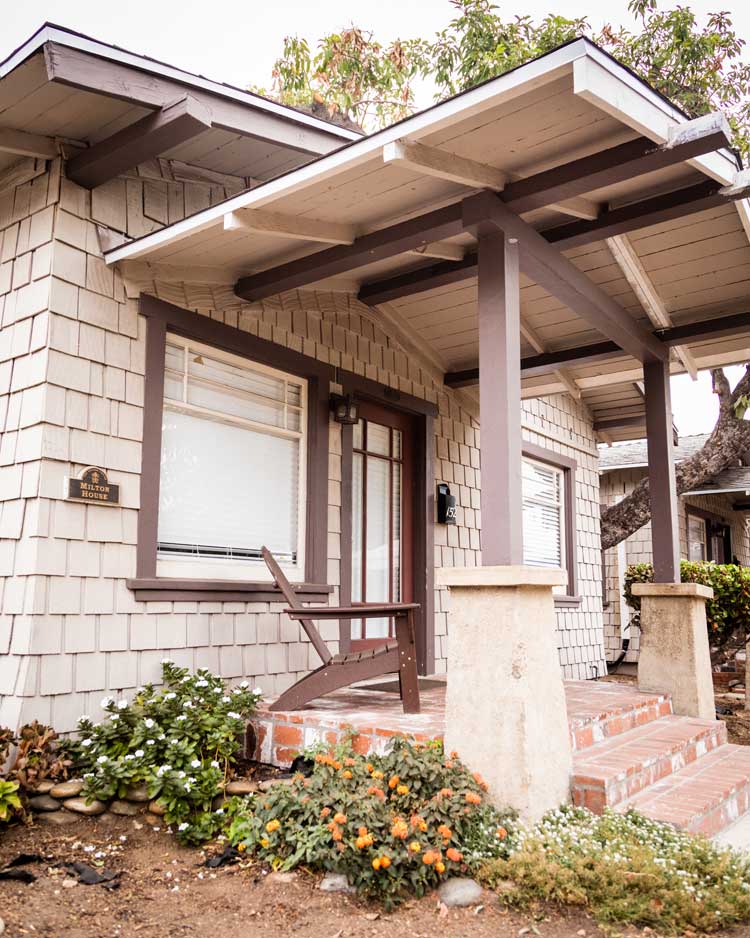
A supportive living environment can make all the difference when transitioning toward independence. Our facilities are designed to provide a calming space for continued healing while practicing real-world skills.
- Comfortable, Home-Like Residences: Each bungalow provides a warm, welcoming atmosphere designed to help clients feel at ease. Spacious common areas and thoughtfully arranged bedrooms create a sense of stability during this important phase of recovery.
- Substance-Free Living: All homes maintain a fully substance-free environment to support ongoing sobriety. This ensures clients can focus on growth without the stress of triggers or unsafe situations.
- Shared Responsibilities: Residents participate in daily tasks like meal prep and housekeeping to mirror the tasks of everyday living. These help build a routine they can practice outside the facility and establish personal accountability over themselves.
- Respectful Community Guidelines: We establish clear guidelines residents need to follow. These promote respect, communication, and cooperation while also setting healthy interpersonal boundaries.
- Supportive, Recovery-Oriented Atmosphere: Our transition care center is intentionally designed to strengthen emotional well-being and move toward greater independence.
Why Our Clients Need Transitional Care
Our residential treatment program is an intensive program where our clients step away from their everyday lives to focus on recovery. Many have come a long way and are ready to return to a new normal lifestyle. However, they have to return to an environment with triggers and stressors that weren’t present during their healing. This makes some feel unsure about how to manage responsibilities and stress without support.
Transitional care is the bridge between residential treatment and independent living. Our clients remain in a safe and structured environment but have the means to apply what they’ve learned before fully transitioning out. You’ll be given the opportunity to rebuild your personal skills and ease back into work, school, or family life without feeling overwhelmed.
This stage of care also strengthens accountability. With more independence, you aren’t just following a schedule or routine set for you – you’re taking control of your own well-being. It also gives you the time, structure, and encouragement needed to move forward. This helps ensure your progress continues long after you leave our Pasadena care center.
Frequently Asked Questions
Who is eligible for transitional living at The Gooden Center?
Transitional living is available to individuals who have completed residential or outpatient treatment and are ready for increased independence with continued support. While many participants come from our own programs, we also welcome those who have not been treated with us; in these cases, eligibility is determined on a case-by-case basis through a clinical assessment to ensure every client is prepared for this next stage of their recovery.
How long can someone stay in transitional living?
Length of stay varies based on individual needs and progress. Many residents remain for several months while they build their routines and establish their independence while living a sober lifestyle.
Are the homes supervised?
Staff members are present 24/7, but clients can expect more privacy and independence as they transition away from more structured programs.
What does a typical day look like?
Residents have a less structured routine, but their days can still include group outings, life-skills development, and ongoing therapeutic support as needed. On top of this, they will slowly start handling personal responsibilities, such as cooking, cleaning after themselves, and preparing to return to work or school.
Are meals provided?
Residents receive balanced, home-style meals and may participate in light cooking to practice everyday living skills.
Can residents work or attend school while in the program?
They can. Our transitional living center in Pasadena is designed to help clients re-engage with work, school, or volunteering.
How does transitional living support long-term recovery?
The program helps clients practice independence and maintain accountability while still having access to therapeutic support. This combination strengthens their self-confidence and reduces the risk of relapse during the transition back into daily life.
Find Hope and Support at Our Rehabilitation Center in Pasadena
If you or someone you love is ready for guidance, The Gooden Center is here to walk with you every step of the way. Our team offers compassionate support and evidence-based care to help you prepare for what’s next.
As a non-profit facility, The Gooden Center strives to make quality care accessible and affordable to those who need it most. If you would like to support our cause, we invite you to make a donation. Any contribution will go a long way to providing lasting transformation to someone in need.
If you need help, call us for free advice. Our admissions team can provide more information about availability, tour options, and move-in dates.