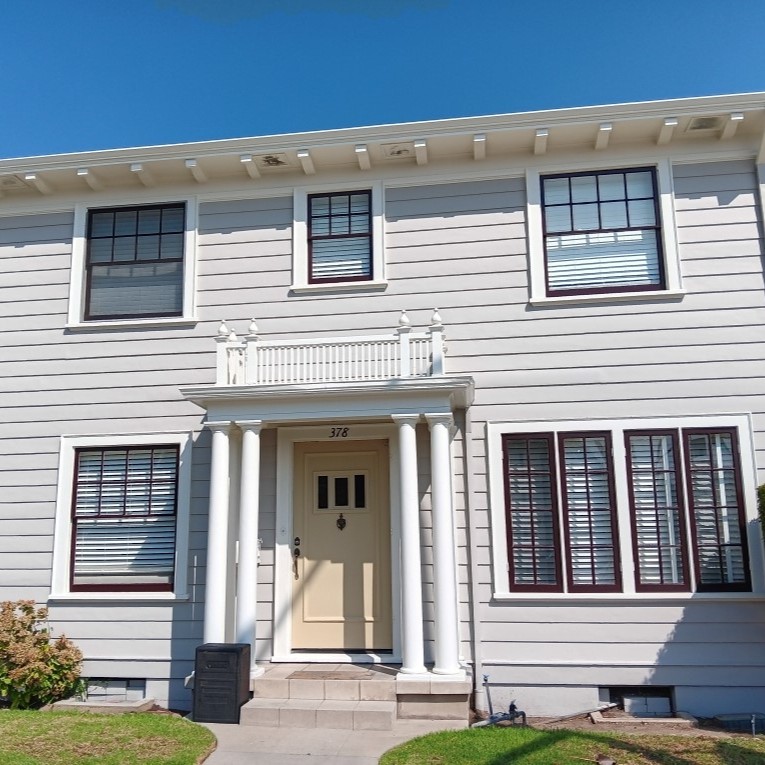
 Whether you’ve made the choice to seek care or you’re helping a loved one find support, the next step is choosing a rehab center. This is a major decision, because not all facilities are the same. It is not always easy to tell how care is delivered or what standards are being followed.
There are many rehab centers in Pasadena, CA, and some of them may mention accreditation and state licensing on their websites and marketing materials. These terms mean they have been reviewed by outside organizations and are following certain standards for patient safety and treatment quality.
By looking closely at state licensing and national accreditations, you can move forward with the peace of mind that your recovery, or the recovery of your loved one, is supported by a facility that meets verifiable standards of care.
Licensing and Accreditation as Benchmarks for Care
For individuals with substance use disorder (SUD) and their loved ones, this information can make it easier to compare programs. It provides a way to look beyond marketing language and focus on how a program is reviewed and held accountable.
Licensing vs. Accreditation: What’s the Difference?
When researching rehab centers in Pasadena, CA, you will likely see both licensing and accreditation listed. These terms are related, but they are not the same.
A program is required to have a license to operate legally in California. Meanwhile, accreditation is optional. Rehab facilities choose to apply for it and go through a more detailed review by an independent organization.
To summarize:
- Licensing confirms a program is allowed to operate in the state
- Accreditation means a program is reviewed by national organizations and must continue meeting higher standards for care
Together, licensing and accreditation can help you determine whether a program is equipped to provide you or your loved one the type and quality of care needed.
What It Takes to Be Licensed in California
In California, the Department of Health Care Services (DHCS) licenses rehab centers. To receive a license, a facility must meet state requirements. These include:
- Staff qualifications
- Safety procedures
- Facility conditions
- Recordkeeping practices
State inspectors visit facilities to confirm they follow these standards. These onsite reviews continue on a regular basis, usually every two years.
Licensed programs must also receive a Level of Care Designation. This tells you what type of treatment the facility is approved to provide. For example, a center may be approved for:
- Detox services
- Residential treatment
- Outpatient care
This designation helps ensure that a program is properly equipped for the level of care it offers. It also helps individuals and families understand whether a facility can meet their specific needs.
A license confirms that a program meets state rules and operates legally. It gives you a starting point when comparing options, but it does not show how a program performs beyond those requirements.
What Drug Rehab Accreditation Means
Accreditation adds another layer of review. Rehab centers choose to apply for it, and the process is more detailed than state licensing.
An independent organization reviews how the program delivers care.
Reviewers look at:
- How staff are trained
- How treatment is provided
- How the program supports clients
They also assess how the program stays consistent over time, not just how it operates during a single review.
Accrediting bodies also consider patient progress. Reviewers check whether clients improve during treatment, not just whether the program follows policies.
Programs must continue meeting these standards to keep their accreditation. Reviews happen on a regular schedule, not just once.
Common Accreditations for Rehab Centers in Pasadena, CA
Many rehab centers in California seek drug rehab accreditation from one of two national organizations. These groups review programs using established standards.
CARF (Commission on Accreditation of Rehabilitation Facilities)
CARF reviews how programs deliver care over time. It looks at whether staff follow consistent practices and whether clients receive ongoing support.
CARF also focuses on outcomes. Reviewers look at whether people improve during and after treatment, not just whether policies are in place.
CARF awards accreditation for a set period. The highest level is a three-year accreditation. Programs that maintain this status continue meeting CARF standards over time.
The Joint Commission
The Joint Commission reviews healthcare programs across many fields, including addiction treatment. It focuses on safety and how programs manage care.
Reviewers evaluate programs through:
- Onsite visits
- Policy reviews
- Follow-up evaluations
Programs must continue meeting these standards to keep their accreditation.
How Accreditation Affects Daily Care
For someone in the early stages of recovery, consistency can make a meaningful difference. Accredited programs are expected to follow defined processes, which can help create a more stable treatment experience.
In day-to-day care, accredited rehab and treatment services may feature:
- A consistent schedule that gives structure to each day
- Treatment plans that are updated as progress is made
- Staff who are trained and continue learning current treatment methods
- Ongoing review of client progress throughout treatment
These elements help create a more predictable environment. When expectations are clear and routines are consistent, it can be easier to focus on recovery.
About The Gooden Center
The Gooden Center in Pasadena has served the local community since 1962. We are a nonprofit organization focused on creating a safe space for individuals struggling with alcoholism and drug addiction.
While our staff and clinical team take care of day-to-day operations and provide treatment, the Board ensures our organization stays true to our purpose: providing accessible, high-quality care.
The Gooden Center provides several levels of care to meet clients where they are in their recovery journey:
Residential
Day
Intensive Outpatient
Sober Living
Recognizing that mental health challenges often co-occur with substance use disorder, we integrate mental health care into our accredited rehab and treatment services.
Our programs are delivered in a comfortable, home-like setting where clients are treated with respect and dignity. This environment allows individuals to step away from outside pressures and focus on recovery.
Our Intensive Outpatient Program also supports individuals referred through workplace or court-related programs. It can help SAP- and EAP-referred clients meet their obligations to the courts or their employer while continuing treatment in a structured setting.
Drug Rehab Accreditation and Standards
We maintain CARF accreditation, including the highest level of three-year accreditation. This requires ongoing review and shows that our programs continue to meet established standards for care and client progress.
Transparency and Oversight
At the Gooden Center in Pasadena, we make information about our work available so individuals and families can review it before making a decision. You can learn more through:
Ongoing Support and Community Involvement
The Gooden Center provides care and fellowship even after the initial phase of treatment. All alumni have complimentary access to our Aftercare for Life Program. Additionally, members of our alumni association benefit from mentorship, job training, GED services, and other supportive solutions, all free of charge.
We take pride in being an important part of our community and staying involved through local events and outreach efforts. These gatherings create opportunities for connection and education. They also reflect our ongoing commitment to serving individuals and families.
Moving Forward With Verified Care
Choosing a rehab center is an important decision. Researching whether a facility is licensed or accredited can help you narrow down your options.
It also helps to look at the care a program offers and whether it aligns with your situation. This may involve structured residential support for substance use, ongoing outpatient care, or holistic services that address both dependence and mental health concerns.
The Gooden Center in Pasadena provides accessible, quality care and support to help ensure the health and well-being of our clients. If you would like to learn more or speak with someone directly, send us a message. You may also call 800-931-9884.